
TOP UNESCO World Heritage Sites in Morocco
Morocco, a land of vibrant culture and rich history, is home to a multitude of UNESCO World Heritage Sites. These sites are not just tourist attractions but are testaments to Morocco’s diverse cultural and historical tapestry. From ancient medinas to majestic kasbahs, Morocco’s heritage sites offer a unique glimpse into the past, preserving the legacy of civilizations that have shaped the country.
The Rich Heritage of Morocco
Morocco’s heritage is a reflection of its historical significance and cultural diversity. Influences from the Berbers, Arabs, Andalusians, and Europeans have blended over centuries to create a unique cultural mosaic. Each UNESCO World Heritage Site in Morocco tells a story of this intricate cultural interweaving, showcasing architectural marvels, ancient traditions, and the indomitable spirit of its people.
1: Ancient Medina of Fez
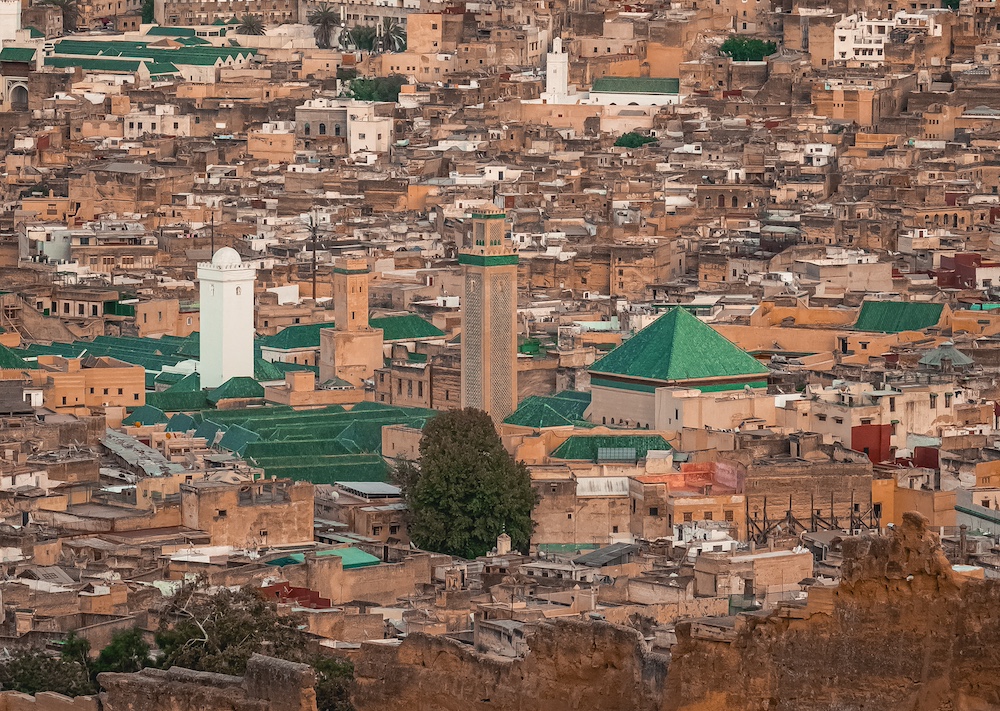
History and Background
Fez, founded in the 9th century, is Morocco’s spiritual and cultural heart. As one of the world’s largest and oldest medieval cities, its labyrinthine streets are a living museum of Moroccan heritage.
Key Attractions
The medina of Fez is home to numerous historical sites including Al Quaraouiyine University, the oldest continuously operating educational institution in the world, and the vibrant tanneries that provide a sensory journey through traditional leather-making processes.
Cultural Importance
Fez is a center of Islamic scholarship and art. The medina’s well-preserved architecture and vibrant souks offer insights into Moroccan life, both past and present.
2: Medina of Marrakesh

Historical Overview
Established in 1070-72 by the Almoravids, Marrakesh has been a key cultural, religious, and trading center for centuries. Its history is deeply intertwined with the growth of the Moroccan empire.
Must-See Sites
Visitors to Marrakesh should explore the stunning Bahia Palace, the intricate Saadian Tombs, and the bustling Jemaa el-Fnaa square, where the city truly comes alive with storytellers, musicians, and street food vendors.
Unique Features
The medina of Marrakesh is renowned for its red sandstone walls, earning it the nickname “The Red City.” Its unique blend of traditional and modern makes it a must-visit.
3: Ksar of Ait-Ben-Haddou
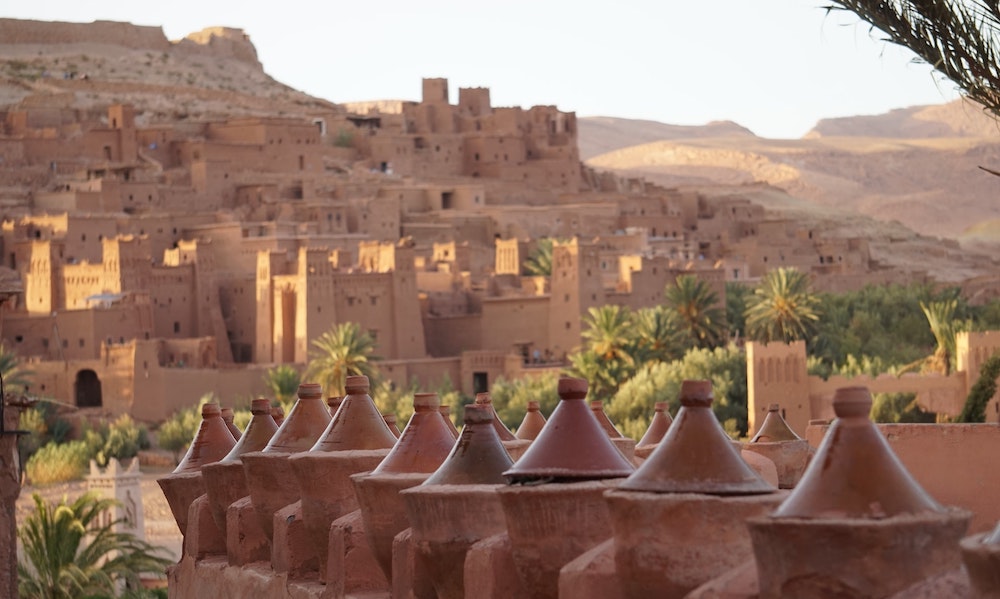
Architectural Marvel
Ait-Ben-Haddou is a striking example of southern Moroccan architecture. This fortified village, made entirely of earth and wood, stands as a remarkable example of pre-Saharan earthen construction.
Famous Filming Location
Ait-Ben-Haddou has served as the backdrop for many films and TV shows, including “Gladiator” and “Game of Thrones,” adding to its allure and mystique.
Visiting Tips
To fully appreciate Ait-Ben-Haddou, visit during the cooler parts of the day. Guided tours can provide deeper insights into its history and architecture.
4: Historic City of Meknes

The Imperial City
Meknes, once the capital of Morocco under Sultan Moulay Ismail, is known for its grand imperial architecture. The city’s robust walls and monumental gates reflect its historical significance.
Major Landmarks
Key sites in Meknes include the massive Bab Mansour gate, the Royal Stables, and the Mausoleum of Moulay Ismail, which showcases exquisite Moroccan craftsmanship.
Significance in Moroccan History
Meknes represents a fusion of Islamic and European styles, illustrating the sultan’s ambition and the city’s importance in Moroccan history.
5: Archaeological Site of Volubilis

Ancient Roman Influence
Volubilis is a testament to the Roman Empire’s reach into North Africa. This archaeological site contains some of the best-preserved Roman ruins in this part of the world.
Main Attractions
Visitors can explore the Capitol, the Basilica, and the well-preserved mosaics that depict scenes from Roman mythology and daily life.
Preservation Efforts
Ongoing conservation work helps maintain the site’s integrity, making Volubilis an essential stop for history enthusiasts.
6: Medina of Tetouan (formerly known as Titawin)

Andalusian Influence
Tetouan’s medina reflects the city’s historical connection with Andalusia, especially following the Reconquista when many Muslims and Jews fled to Morocco.
Key Sites to Explore
Notable sites include the Royal Palace, the Ethnographic Museum, and the Mellah (Jewish quarter), each offering unique insights into Tetouan’s cultural heritage.
Cultural Blend
Tetouan’s medina is a vibrant blend of Moroccan and Andalusian influences, visible in its architecture, art, and daily life.
7: Medina of Essaouira (formerly Mogador)

Coastal Charm
Essaouira’s medina, with its white-washed walls and blue shutters, exudes a coastal charm that is distinctly different from Morocco’s other medinas.
Historical Highlights
The medina’s layout and fortifications, designed by European engineers, reflect its historical role as a major port city.
Artistic Vibes
Essaouira is known for its thriving arts scene, with numerous galleries, festivals, and a vibrant music culture, particularly the annual Gnaoua World Music Festival.
8: Portuguese City of Mazagan (El Jadida)

Colonial Architecture
Mazagan’s medina showcases impressive examples of Portuguese colonial architecture, including the cistern and the Church of the Assumption.
Historical Importance
This site illustrates the strategic importance of El Jadida during the Portuguese occupation in the 16th century.
Top Attractions
Visitors should not miss the Portuguese Cistern, known for its hauntingly beautiful reflections, and the ramparts offering stunning ocean views.
9: Rabat, Modern Capital and Historic City
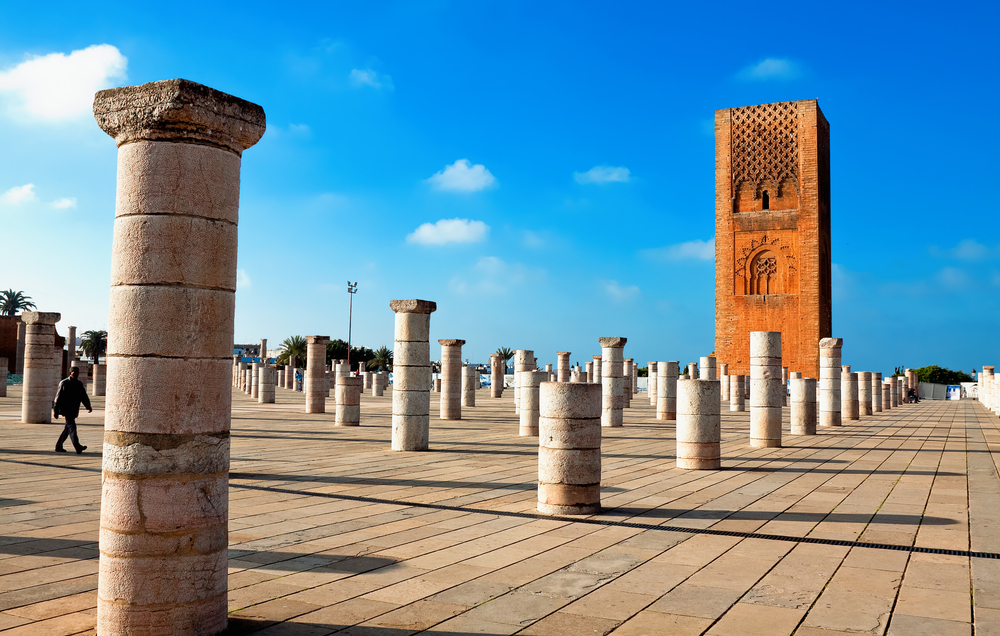
Blend of Old and New
Rabat, the modern capital of Morocco, blends contemporary urban life with historical charm. Its historic sites are complemented by modern infrastructure and cultural institutions.
Key Historical Sites
Must-see sites include the Hassan Tower, the Mausoleum of Mohammed V, and the Oudayas Kasbah, each reflecting Rabat’s rich history.
UNESCO Recognition
Rabat’s designation as a UNESCO World Heritage Site highlights its unique combination of modernity and heritage, making it a dynamic destination.
Prehistoric Rock Art Sites in Tadrart Acacus
Ancient Artistry
The rock art of Tadrart Acacus offers a window into prehistoric life in the region. These ancient carvings and paintings depict scenes of daily life, animals, and symbolic figures.
Discovery and Study
The site has been the focus of archaeological study for decades, revealing much about early human life and artistic expression.
Importance to Human History
These prehistoric artworks are invaluable for understanding the development of human culture and art, marking a significant chapter in human history.
UNESCO World Heritage Sites in Morocco
Morocco’s UNESCO World Heritage Sites are treasures that encapsulate the nation’s rich cultural and historical heritage. From the bustling medinas of
Fez and Marrakesh to the serene ruins of Volubilis, each site offers a unique glimpse into the past. Preserving these sites is crucial, not only for their historical value but also for future generations to appreciate and learn from. So, when planning your next trip, consider immersing yourself in the rich tapestry of Morocco’s heritage sites.
FAQs
What is the significance of UNESCO World Heritage Sites?
UNESCO World Heritage Sites are recognized for their cultural, historical, or natural significance. They are protected for their outstanding value to humanity and future generations.
How many UNESCO World Heritage Sites are there in Morocco?
Morocco has nine UNESCO World Heritage Sites, each showcasing different aspects of the country’s rich history and cultural heritage.
What is the best time to visit these sites?
The best time to visit Morocco’s UNESCO sites is during the spring (March to May) or fall (September to November) when the weather is mild and comfortable for sightseeing.
Are these sites accessible to tourists year-round?
Most UNESCO sites in Morocco are accessible year-round, but it’s always good to check for any seasonal closures or special events that might affect access.
What are some tips for visiting UNESCO sites in Morocco?
Wear comfortable shoes, stay hydrated, and consider hiring a local guide to gain deeper insights into the history and significance of each site. Always respect local customs and preserve the integrity of these historic places.
Book your Trips in Morocco
Contact us to book your Trips in Morocco & Tours in Morocco, our goal is to be your reliable and trustworthy partner during your trip in Morocco. Contact us via WhatsApp, by filling out our contact form or via the following email address: [email protected]


